How to Choose Licensed Dog Home Boarding for Safety
Choosing a licensed dog home boarding company ensures your pet stays in a safe, inspected, and legally compliant environment. Local councils grant these licenses only after rigorous checks on hygiene, space, and welfare, providing professional peace of mind that unlicensed boarders cannot legally guarantee for your dog’s safety.
Why do councils require a boarding licence?
In the United Kingdom, the law regarding pet care changed significantly in 2018 with the introduction of the Animal Welfare (Licensing of Activities Involving Animals) (England) Regulations. These regulations were designed to sweep away outdated laws and replace them with a robust, modern framework that puts animal welfare at the very heart of the industry. When a business like Highworth Pet Care applies for a licence, they aren't just filling out a form; they are inviting the local authority to scrutinise every aspect of their operation.
Councils require these licences to prevent the exploitation of animals and to ensure that anyone looking after your dog is competent and responsible. The licensing process involves a detailed inspection by a qualified animal welfare officer, and in many cases, a veterinarian. They check the physical environment, the paperwork, and the knowledge of the provider. This ensures that the "home" in home boarding is truly a safe haven rather than a cluttered or dangerous space. Without this oversight, there is no way for a pet owner to verify that the standards they see on a website are actually being met behind closed doors.
The Legal Framework for Dog Boarding
The current legislation categorises pet boarding into several distinct areas, with dog home boarding being one of the most popular choices for owners who want their pets to stay in a domestic setting. The law is clear: anyone providing boarding for dogs in a home environment in the course of a business must have a licence. This applies even if the person only looks after one dog at a time. The goal is to standardise care across the country, ensuring that every dog receives a minimum level of attention, exercise, and safety.
Failure to hold a licence is a criminal offence. For the pet owner, choosing an unlicensed provider means you are supporting an unregulated business that is operating outside the law. More importantly, it means you are placing your dog in a situation where no external body has verified the suitability of the premises or the person. By choosing a licensed professional, you are upholding the legal standards meant to protect your beloved family member.
What standards must a licensed boarder meet?
To achieve and maintain a licence, a boarding provider must adhere to a strict set of criteria known as the 'General Conditions' and 'Specific Conditions'. These cover everything from the size of the rooms to the frequency of exercise. At Highworth Pet Care, we pride ourselves on meeting these rigorous benchmarks to ensure our guests are happy and healthy.
Key standards include:
- Space and Environment: Each dog must have enough room to move freely, sit, lie down, and wag their tail without hitting obstacles.
- Exercise and Enrichment: Boarders must provide a clear plan for daily exercise and mental stimulation tailored to each dog's needs.
- Safety and Security: Fencing must be escape-proof, and the home must be free from hazards like toxic plants or exposed wires.
- Record Keeping: A detailed log of every dog, including their vaccination status, emergency contacts, and feeding requirements, must be kept.
- Supervision: Dogs must never be left unattended for long periods, and there must be a clear plan for emergency situations.

Health and Hygiene Protocols
One of the most critical aspects of licensed dog home boarding is the management of health and hygiene. In a domestic setting, it is easy for cleanliness to slip if professional standards aren't applied. Licensed providers must have clear protocols for cleaning and disinfecting areas where dogs spend time. They use pet-safe chemicals that are effective against common canine illnesses, ensuring that the risk of cross-infection is kept to an absolute minimum.
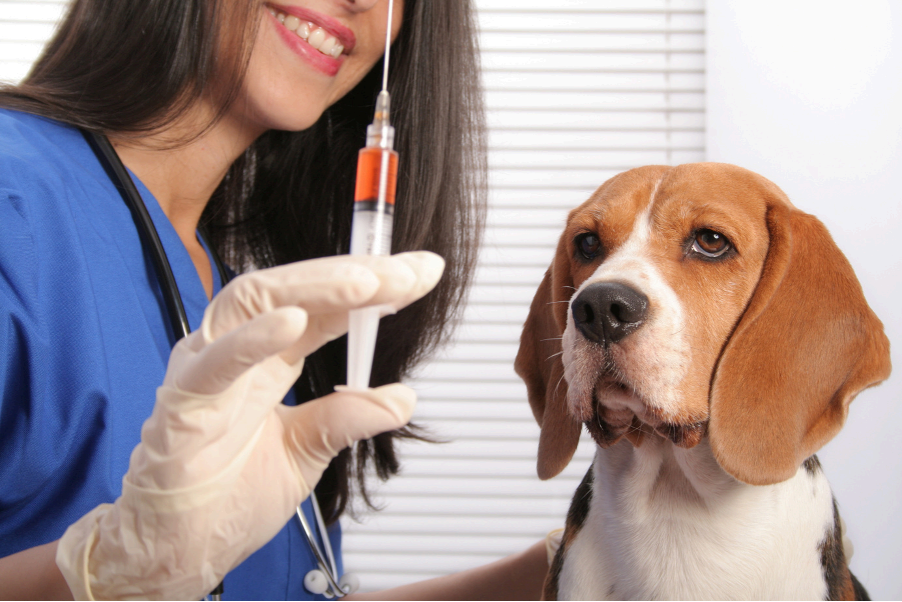
Furthermore, a licensed boarder will always insist on seeing proof of up-to-date vaccinations, including Distemper, Hepatitis, Parvovirus, and Leptospirosis. Many also require the Kennel Cough vaccine. While this might seem like a hurdle for the owner, it is actually a vital protective measure for your dog. It ensures that every other guest in the home is equally protected, creating a "herd immunity" environment that keeps everyone safe. Licensed providers also have established relationships with local vets and clear procedures for isolation if a dog should fall ill during their stay.
Is an unlicensed boarder cheaper but riskier?
It can be tempting to choose an unlicensed boarder, often found on social media or casual gig-economy apps, because they might charge a lower daily rate. However, the hidden risks often far outweigh the small financial saving. Unlicensed boarders are frequently unable to obtain professional public liability insurance because most insurers require a valid local authority licence as a condition of the policy. If an accident happens under the care of an uninsured and unlicensed person, you could be left facing massive vet bills or legal complications without any recourse.
Furthermore, unlicensed individuals often lack the formal training required to handle emergencies. At Highworth Pet Care, we are not only licensed but also hold separate First Aid qualifications for both cats and dogs. This means we can recognise the early signs of bloat, heatstroke, or choking and act decisively. An unlicensed hobbyist might miss these subtle cues, leading to devastating consequences. The lack of a licence often suggests a lack of commitment to the profession, whereas a licensed boarder treats your pet’s care as their primary responsibility.
Professionalism and Accountability
Choosing a licensed company means you are choosing accountability. When a business is licensed, they are subject to unannounced inspections. If they fail to maintain standards, their licence can be revoked, and they can be fined or banned from keeping animals. This oversight creates a powerful incentive to provide the best possible care every single day. It moves the relationship from a casual favour between acquaintances to a professional contract between a client and a dedicated service provider.

In addition to the licence, a professional boarder will often provide a free and friendly assessment before taking on a new guest. This is a chance for the boarder to see if the dog is a good fit for their home and for the owner to ask questions about the services provided. This level of due diligence is a hallmark of a professional operation that cares more about the animal's welfare than just filling a slot in their calendar.
Why choose Highworth Pet Care?
When you are looking for pet care in Highworth or the surrounding Swindon area, experience and trust are paramount. Established in 2011, Highworth Pet Care has spent over a decade building a reputation for excellence. We don't just meet the minimum requirements for a licence; we strive for the highest possible standards. Our 5-Star Licensed Home Boarding status is a testament to our commitment to providing a top-tier environment for your dogs.
Our philosophy is simple: we love your pets as if they were our own. Whether you need help because of a busy lifestyle, an upcoming holiday, or an unexpected illness, we offer flexible services tailored to your specific preferences. Beyond dog boarding, we also provide cat care and small animal care , ensuring that all members of your fur-family are looked after by qualified, insured, and passionate professionals.
How to verify a boarding licence
If you are unsure whether a provider is licensed, you should never be afraid to ask. A legitimate business will be proud to show you their certificate. You can also check the following:
- The Licence Number: This should be displayed on the business website and any promotional material.
- The Star Rating: Most councils now use a star system (1 to 5) to indicate how well the business met the standards and whether they have a history of compliance.
- Council Website: Most local authorities maintain a public register of licensed animal businesses that you can search online.
- The Expiry Date: Ensure the licence is current and has not lapsed.
- Insurance Documents: Ask to see their public liability insurance to ensure it covers the specific services they are providing.
To ensure your dog receives the best possible care while you are away, always do your homework. Choosing a licensed provider like Highworth Pet Care isn't just a legal requirement; it’s an investment in your pet's happiness and your own peace of mind. If you are ready to book an assessment or have more questions about our boarding standards, please contact us today.
Summary Checklist for Choosing a Boarder
- Verify the Licence: Ensure the provider holds a current local authority licence.
- Check the Star Rating: Aim for higher-rated (4 or 5 star) businesses for the best standards.
- Inspect the Home: Look for cleanliness, safety, and adequate space for your dog.
- Ask About Training: Confirm they have animal first aid knowledge and experience.
- Review the Contract: Ensure all terms, including emergency procedures, are clearly defined.
Recent Posts